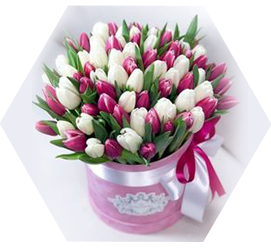
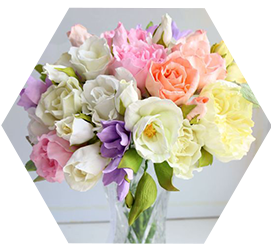
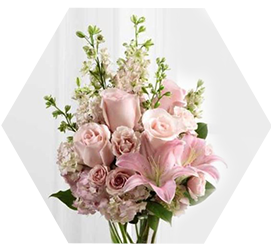
Common problems with wedding flowers in Tadworth and fixes
Posted on 12/10/2026
Wedding flowers look effortless when they work well. Then real life happens. A bouquet wilts in a warm church porch, buttonholes go missing five minutes before the ceremony, or the bridesmaid arrangements arrive looking a bit flatter than they did in the shop. If you are planning wedding flowers in Tadworth, these are not rare headaches, they are the kind of practical problems that can appear when timing, weather, transport, and flower choice all collide.
Truth be told, most flower issues are fixable if you spot them early enough. This guide walks through the common problems with wedding flowers in Tadworth and fixes that actually help, so you can plan with a clearer head and fewer last-minute panics. We will cover what goes wrong, why it matters locally, how to prevent it, and what to do if something starts slipping on the day.
- Why Common problems with wedding flowers in Tadworth and fixes Matters
- How Common problems with wedding flowers in Tadworth and fixes Works
- Key Benefits and Practical Advantages
- Who This Is For and When It Makes Sense
- Step-by-Step Guidance
- Expert Tips for Better Results
- Common Mistakes to Avoid
- Tools, Resources and Recommendations
- Law, Compliance, Standards, or Best Practice
- Options, Methods, or Comparison Table
- Case Study or Real-World Example
- Practical Checklist
- Conclusion
- Frequently Asked Questions

Why Common problems with wedding flowers in Tadworth and fixes Matters
Wedding flowers are not just decorative extras. They shape the tone of the day, show up in almost every photograph, and quietly hold a lot of the visual story together. In a place like Tadworth, where weddings may move between churches, hotels, village venues, private homes, and outdoor spaces, flowers also have to cope with real-world logistics. A bouquet that looked perfect in a cool florist's studio can behave very differently once it has sat in a car on a summer afternoon or been carried through a windy car park.
That is why common problems with wedding flowers in Tadworth and fixes matter so much. The issue is not only whether the flowers look pretty. It is whether they arrive in good condition, suit the venue, survive the timetable, and still feel fresh when the first couple of photos are taken. If anything slips, the whole day can feel a bit more stressful than it should. And nobody wants that. Not on a wedding day, of all days.
There is also a budgeting angle. Poor planning can mean replacing flowers, paying for rushed changes, or using more blooms than necessary because the original design was not scaled correctly. A bit of preparation usually saves money later, even if it does not seem glamorous at the start.
Expert takeaway: Most wedding flower problems are not about the flowers themselves. They are about timing, communication, temperature, and choosing the right arrangement for the conditions.
How Common problems with wedding flowers in Tadworth and fixes Works
To fix flower problems well, you need to think in stages rather than just at delivery. The process usually starts with design, moves through conditioning and preparation, then into transport, set-up, and on-the-day care. Each stage introduces a different risk.
For example, a bridal bouquet may be perfectly made but still struggle if it is left in direct sun while the couple is getting ready. A table arrangement may be beautifully structured but lose shape if it is not secured properly before transport. Buttonholes are especially vulnerable because they are small, delicate, and often handled last-minute. It sounds obvious, but in the rush of a wedding morning even obvious things get missed.
In practical terms, fixes usually work in one of four ways:
- Prevention: choosing hardy flowers, right-sized designs, and sensible colour palettes for the season.
- Protection: keeping arrangements cool, hydrated, and safely boxed or wrapped.
- Contingency: having spare stems, pins, ribbon, ribbon tape, water tubes, or backup blooms ready.
- Recovery: refreshing wilted stems, trimming ends, adjusting mechanics, or rebalancing arrangements before guests arrive.
The good news? Most problems are manageable if you identify the weak points early. The less glamorous bit is that you have to think through details that are easy to overlook. But that is what avoids a scramble later.
Key Benefits and Practical Advantages
Handling flower problems properly does more than keep the bouquets looking nice. It makes the whole wedding day feel calmer and more coherent. You notice it in small ways: the bride is not worrying about a drooping bouquet, the best man is not searching for missing buttonholes, and the table flowers still look fresh during dinner rather than tired by the time speeches begin.
There are some very real practical advantages too:
- Better photos: flowers stay perky and full for the key moments.
- Less stress: fewer emergency decisions on the morning of the wedding.
- Cleaner budget control: fewer last-minute replacements or waste.
- More reliable styling: the design holds together from ceremony to reception.
- Improved venue fit: arrangements are chosen to suit the space, lighting, and weather.
One thing people often underestimate is how much confidence good flower planning gives. When you know the bouquets, corsages, centrepieces, and wedding table arrangements are all under control, the day feels less fragile. That matters. A lot, actually.
Who This Is For and When It Makes Sense
This guide is for couples planning a wedding in Tadworth, but it is also useful for families, bridal parties, venue coordinators, and anyone helping with the flowers. If you are trying to decide between fresh flowers and more durable styling, or you are unsure how many arrangements you really need, the issues below will save you time.
It is especially relevant if:
- your ceremony and reception are at different locations
- you are getting married in warmer months
- you have a tight schedule between hair, makeup, transport, and photos
- you want specific flowers that may be seasonal or delicate
- you are ordering from a local florist in Tadworth and want to avoid surprises
If you are already comparing styles, browsing wedding flowers in Tadworth is a sensible starting point, because it gives you a clearer sense of what designs suit the area, the season, and the kind of venue you have in mind. That alone can prevent a fair few headaches.
Step-by-Step Guidance
Here is the practical side of it. If you want fewer flower problems on the day, work through the process in order. Not glamorous, perhaps, but it works.
1. Match the design to the season and setting
Start with where the wedding is happening and what time of year it is. A light, open bouquet is usually safer for a summer afternoon than a very dense, heavily layered design. For winter weddings, you may want stronger structure and more robust blooms that can tolerate cooler travel conditions.
If your venue is warm, bright, or draughty, mention that early. A florist can then steer you toward flowers that are less likely to fade or droop. Sometimes the fix is as simple as swapping one fragile bloom for another with better staying power.
2. Be honest about timings
Wedding morning schedules are famously optimistic. Everyone thinks they have more time than they do. The flowers arrive, someone wants to change clothes, the photographer is early, and suddenly the buttonholes are still in a bag somewhere. If that sounds familiar, you are not alone.
Build in a buffer. Ask for delivery before the busiest part of the day, not at the last possible minute. If your flowers need to move between locations, make sure they are packed for travel, not just for display.
3. Choose hardy options where it matters
Some flowers cope better than others. Roses, alstroemeria, chrysanthemums, carnations, lisianthus, and certain orchids often perform well in wedding settings because they are more forgiving. That does not mean you cannot use more delicate flowers. It just means you should use them strategically, rather than assuming every stem will behave beautifully for ten hours straight. Because, well, they won't.
For bridal flowers and supporting pieces, you may want to look at product lines such as a bridal bouquet style built for weddings, matching bridesmaid bouquets, or wedding buttonholes that keep the look cohesive while reducing mismatch risk.
4. Ask about conditioning and hydration
Fresh flowers need hydration before and after delivery. Stems are often trimmed, placed in clean water, and kept cool so they can drink properly. If flowers have been sitting out too long, they can look limp even if they were fine earlier in the day.
That is where proper conditioning helps. It is a simple thing, but it makes a visible difference. If you are collecting flowers yourself, ask how they should be stored and how long they can safely stay out before set-up.
5. Plan transport like it matters, because it does
Transport is one of the biggest hidden causes of flower damage. Arrangements can tip, bruise, or overheat in a moving vehicle. Use flat surfaces, secure boxes, and space them out so nothing crushes anything else. Keep the car cool. Not icy. Just sensible.
For larger ceremony and reception pieces, ask whether they should be delivered and installed rather than moved around by hand. If that is not possible, get a second person to help. One person carrying flowers, a phone, and a suit jacket? Slightly optimistic.
6. Prepare a small backup kit
A little emergency kit can save the day. Think ribbon, florist pins, scissors, a clean cloth, water spray, spare tape, and a few extra blooms if your florist can provide them. For buttonholes, small safety pins and a damp wrap can be surprisingly useful.
Do not overcomplicate it. You are not opening a flower hospital. Just keep enough to fix the common stuff quickly and quietly.
7. Check final placement before guests arrive
Once the flowers are in place, do one last visual check. Are the ceremony flowers level? Are the centrepieces obscuring sightlines? Are buttonholes easy to access? Does anything look squeezed or under-lit? A two-minute check can prevent a lot of awkwardness later.
Expert Tips for Better Results
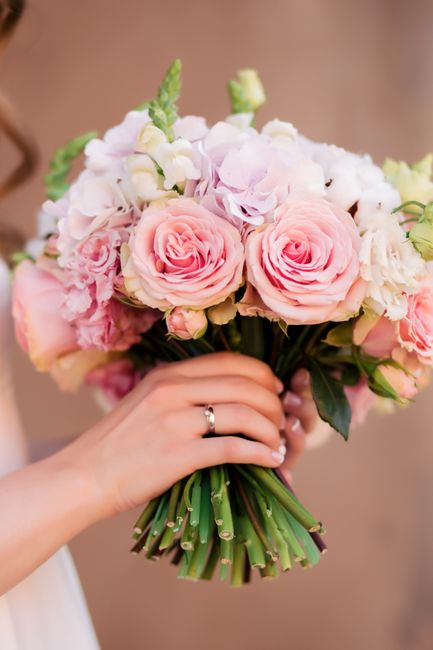
After plenty of wedding days, a few patterns become obvious. First, simpler arrangements often travel better than overcomplicated ones. Second, the most beautiful flowers in the world can still disappoint if the schedule is chaotic. And third, guests notice freshness more than rarity. A clean, well-balanced bouquet always beats a dramatic one that is half-drooping by lunchtime.
Here are some expert-level practical tips that really help:
- Use the venue as your guide. A country church, a restaurant reception, and a marquee each need a different floral approach.
- Prioritise the photos. Put the freshest, fullest flowers where cameras will focus first.
- Keep a colour story. Too many competing shades can make arrangements feel busier than they need to be.
- Ask for stem substitutions in advance. If one flower is not at its best, a florist can often swap it for something similar.
- Think about scent. Very fragrant blooms are lovely, but in small indoor spaces they can feel overpowering.
A small but useful point: if you want a polished look without a lot of maintenance, consider wedding collections that keep the styling unified. Browsing options such as white wedding collections or coordinated wedding collections can help you see how bridal flowers, bridesmaid flowers, and buttonholes work together.
One more thing. Ask to see how the flowers will look from a standing height and a seated height. It is a tiny detail, but it avoids a common mistake where arrangements look lovely on the prep table and oddly bulky on the reception table. Happens more than people think.
Common Mistakes to Avoid
Most flower problems come from a fairly short list of mistakes. The good news is that they are all avoidable. The slightly annoying part is that they are also easy to make when you are juggling a dozen other wedding decisions.
- Booking too late: the best seasonal flowers may be unavailable or more expensive.
- Not checking the venue layout: arrangements can block views or overwhelm small tables.
- Choosing delicate flowers without a backup plan: some blooms simply do not like heat or travel.
- Forgetting the buttonholes and corsages: these are often treated as an afterthought, then become a last-minute panic.
- Skipping delivery instructions: if no one knows where to leave the flowers, it all gets messy quickly.
- Assuming all whites are the same: there are warm whites, cool whites, ivory tones, and cream shades. They do not always blend as expected.
One practical fix is to do a simple walk-through with your florist, whether in person or by message. Mention the weather risk, the transport route, and who will be receiving each item. It feels a bit over-precise at the time, but on the day it is priceless.
Tools, Resources and Recommendations
You do not need a huge toolkit to keep wedding flowers in good shape. A few small items and a sensible plan are enough for most weddings in Tadworth. The aim is to make the day smoother, not to turn the bridal party into a mobile flower workshop.
Useful items include:
- clean scissors or snips for minor trimming
- water spray for light refreshing
- florist tape and pins
- cool, shaded storage space before the ceremony
- sturdy transport boxes or trays
- a soft cloth for wiping stems or surfaces
- a shortlist of acceptable substitute flowers, just in case
If you are comparing flower care approaches, the site's flower care guidance is useful for understanding how to keep blooms looking fresh once they have arrived. That is especially handy if arrangements are delivered early and need to last through several hours of photos, speeches, and dancing.
For couples working with a local florist, it also helps to understand the wider service set-up. Pages such as about the florist, delivery information, and returns and refund policy are worth reviewing so there are no assumptions floating around. Quietly reading the small print is not romantic, I know. But it is practical.
Law, Compliance, Standards, or Best Practice
Wedding flowers are not a heavily regulated category in the way some products are, but there are still sensible standards and best practices worth following. Clear communication, accurate order details, safe delivery, and fair handling of substitutions all matter. If you are ordering fresh flowers for a wedding, you should expect the supplier to explain what is included, what happens if a flower is unavailable, and how delivery is managed.
For customers in the UK, it is also wise to check the florist's policies on payments, returns, and complaints before confirming anything. That is not about being suspicious. It is just good practice. Wedding planning has enough moving parts already.
If sustainability matters to you, ask about responsibly sourced flowers and packaging. Some couples also prefer to reuse ceremony flowers at the reception, which is a simple way to reduce waste without losing impact. The best approach is usually the one that fits your budget, your venue, and your values without creating extra stress.
As a general rule, any reputable florist should be clear about what can be promised and what cannot. Flowers are natural products, so slight variation is normal. In fact, that is part of the charm. The key is whether the florist manages that variation carefully, rather than pretending every stem will be identical.
Options, Methods, or Comparison Table
Different weddings call for different flower strategies. Here is a simple comparison that can help you decide what is most realistic for your day.
| Approach | Best for | Common risk | How to fix or reduce it |
|---|---|---|---|
| Fully bespoke fresh flowers | Couples wanting a unique look and close colour matching | Higher sensitivity to heat, handling, and timing | Use hardy stems in key pieces and confirm delivery timings carefully |
| Matching collection or coordinated designs | Couples who want a polished look with less decision fatigue | Less flexibility if venue or guest numbers change | Choose a collection with complementary pieces and ask about substitutions early |
| Simple ceremony flowers plus compact reception pieces | Smaller weddings or tighter budgets | Can look sparse if under-planned | Focus on one or two visual focal points and reuse arrangements across spaces |
| Statement bouquets with minimal extras | Style-led weddings where photos matter most | Supporting flowers may feel incomplete | Coordinate buttonholes and table flowers in the same palette |
If you are leaning toward coordinated wedding pieces, browsing options such as bridal bouquets, bridesmaid bouquets, and table arrangements can help you see the relationship between each part of the floral plan. The whole thing starts making more sense once you view it as a system, not a pile of separate items.
Case Study or Real-World Example
Imagine a spring wedding in Tadworth with a church ceremony and a reception later in the day. The couple loves soft pastel flowers and wants the bouquets to feel airy, not heavy. Nice idea. Very doable. But the ceremony is at midday, the travel time between venues is tight, and the reception room is warm because the sun is coming through the windows. That is exactly the sort of day where small flower issues can snowball.
In this kind of scenario, the practical fixes are straightforward:
- choose mixed stems with stronger structure in the main bouquet
- keep bridesmaid bouquets slightly smaller so they are easier to hold and travel with
- deliver table flowers as close to set-up time as possible
- store buttonholes separately and hand them out just before the ceremony
- have one person responsible for accepting the flowers and checking quantities
What tends to happen, in real life, is that the flowers look great at first and then need a quick refresh before the reception. A little water, a trim on the stems, and moving the arrangements out of direct sunlight can restore them well enough for the evening photos. Not every bouquet needs a dramatic rescue. Sometimes it just needs five calm minutes and a cool corner.
If the couple had wanted a more relaxed route, they might have chosen a unified wedding collection and fewer standalone pieces. That approach can reduce pressure on the morning timeline and still give the wedding a polished feel.
Practical Checklist
Use this as a final pre-wedding check. Simple, direct, and a bit boring in the best possible way.
- Confirm the ceremony and reception times
- Share venue addresses and access details with the florist
- Check whether flowers need to travel between locations
- Ask which stems are most likely to cope well with the season
- Confirm bouquet sizes for bride, bridesmaids, and others
- Make sure buttonholes and corsages are included in the order
- Decide where flowers will be stored before set-up
- Check who will receive the delivery
- Ask about substitution rules for unavailable flowers
- Prepare a small emergency kit
- Plan how ceremony flowers can be reused at the reception
- Review care instructions for the day after, too
That last point is often missed. If you want to keep any flowers after the wedding, ask in advance which arrangements will hold up longest. Some blooms are lovely for a day and done. Others can keep going surprisingly well.
Get a free quote today and see how much you can save.
Conclusion
The most common problems with wedding flowers in Tadworth and fixes usually come down to planning, timing, and choosing flowers that suit the day rather than just the mood board. If you focus on the venue, the weather, the transport, and the schedule, most of the stressful surprises can be prevented or softened before they matter. That means fewer panicked moments and more space to enjoy the day itself.
It helps to think of wedding flowers as part design, part logistics, and part backup plan. A little less romance in the admin, maybe, but a lot more calm on the day. And honestly, calm is lovely. Calm makes room for the happy stuff.
If you are still comparing options, a local florist who understands Tadworth venues and delivery timing can make a real difference. The right advice at the right moment tends to be worth more than a dozen pretty pictures.
In the end, the best wedding flowers are the ones that look beautiful, behave well, and let you forget about them once the day begins. That is the sweet spot.
Frequently Asked Questions
What are the most common problems with wedding flowers in Tadworth?
The most common issues are wilting, late delivery, damaged stems during transport, mismatched colours, and arrangements that do not suit the venue or weather. Timing is usually the quiet culprit behind most of them.
How do I stop wedding flowers from wilting on the day?
Keep them hydrated, store them cool, avoid direct sun, and do not leave them in warm cars for longer than necessary. Choosing sturdier flowers for bouquets and buttonholes also helps a lot.
What flowers are best for a warm wedding day?
Roses, carnations, chrysanthemums, alstroemeria, lisianthus, and many orchids tend to handle warmer conditions better than very delicate blooms. A florist can suggest the best mix depending on the exact look you want.
How far in advance should I order wedding flowers?
The earlier the better, especially for peak wedding months. Early planning gives you more choice, better coordination, and less risk of last-minute substitutions. Waiting too long is where avoidable stress sneaks in.
Can wedding flowers be delivered and set up at two different venues?
Yes, but the plan needs to be coordinated carefully. Flowers should be packed for travel, and you should confirm the order of delivery, who receives each item, and how long the arrangements will wait before set-up.
What should I do if my wedding flowers arrive looking tired?
Move them somewhere cool, trim the stems if needed, give them fresh water, and lightly mist them if appropriate. For arrangements that are already assembled, a florist can often advise on quick recovery steps.
Are buttonholes and corsages likely to cause problems?
They can, mainly because they are small and easy to misplace. Keep them separate, label them clearly, and hand them out just before they are needed. That avoids the classic wedding-morning scramble.
Is it better to choose a wedding collection or fully bespoke flowers?
It depends on your priorities. A collection is usually simpler and easier to coordinate, while bespoke flowers allow more personal detail. If you want fewer moving parts, a coordinated collection can be the calmer choice.
How can I keep wedding flowers within budget without making them look cheap?
Focus on a few high-impact pieces, reuse ceremony flowers at the reception, and choose seasonal blooms. You can still create a beautiful look without filling every corner of the room.
What details should I give my florist before the wedding?
Share the venue addresses, timing, colour preferences, bouquet sizes, delivery contact, and any access issues. The more clearly the plan is explained, the fewer surprises there will be on the day.
Do I need to worry about flower substitutions?
Yes, in a practical sense. Flowers are natural products and seasonal availability can change. It helps to agree in advance how substitutions will be handled so the finished design still feels like yours.
Can I reuse ceremony flowers at the reception?
Absolutely, and it is one of the simplest ways to get more value from your flower budget. Ceremony arrangements can often be moved to the reception tables, entrance, or gift area with very little fuss.
What is the best way to avoid flower stress on the wedding morning?
Keep the plan simple, confirm delivery times, assign one person to handle the flowers, and have a small emergency kit ready. Most stress comes from unclear ownership, not from the flowers themselves.